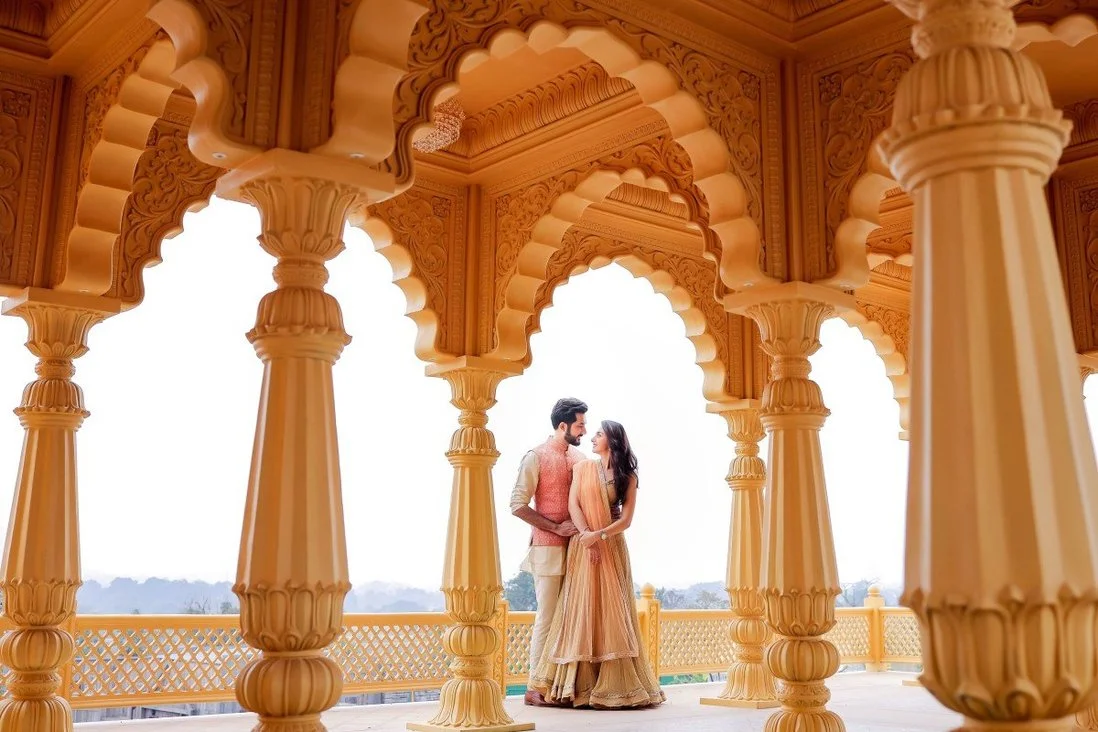
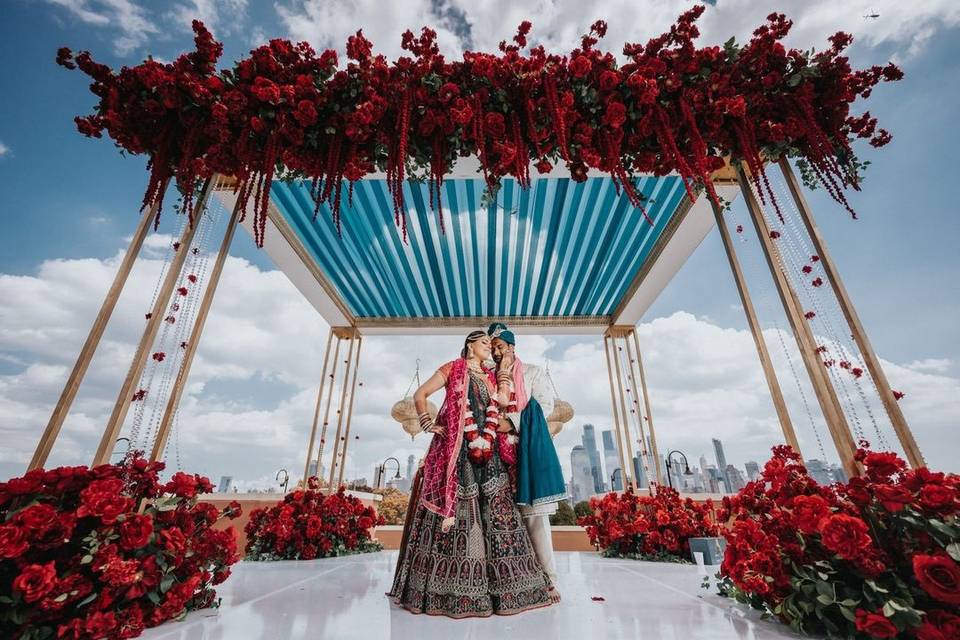
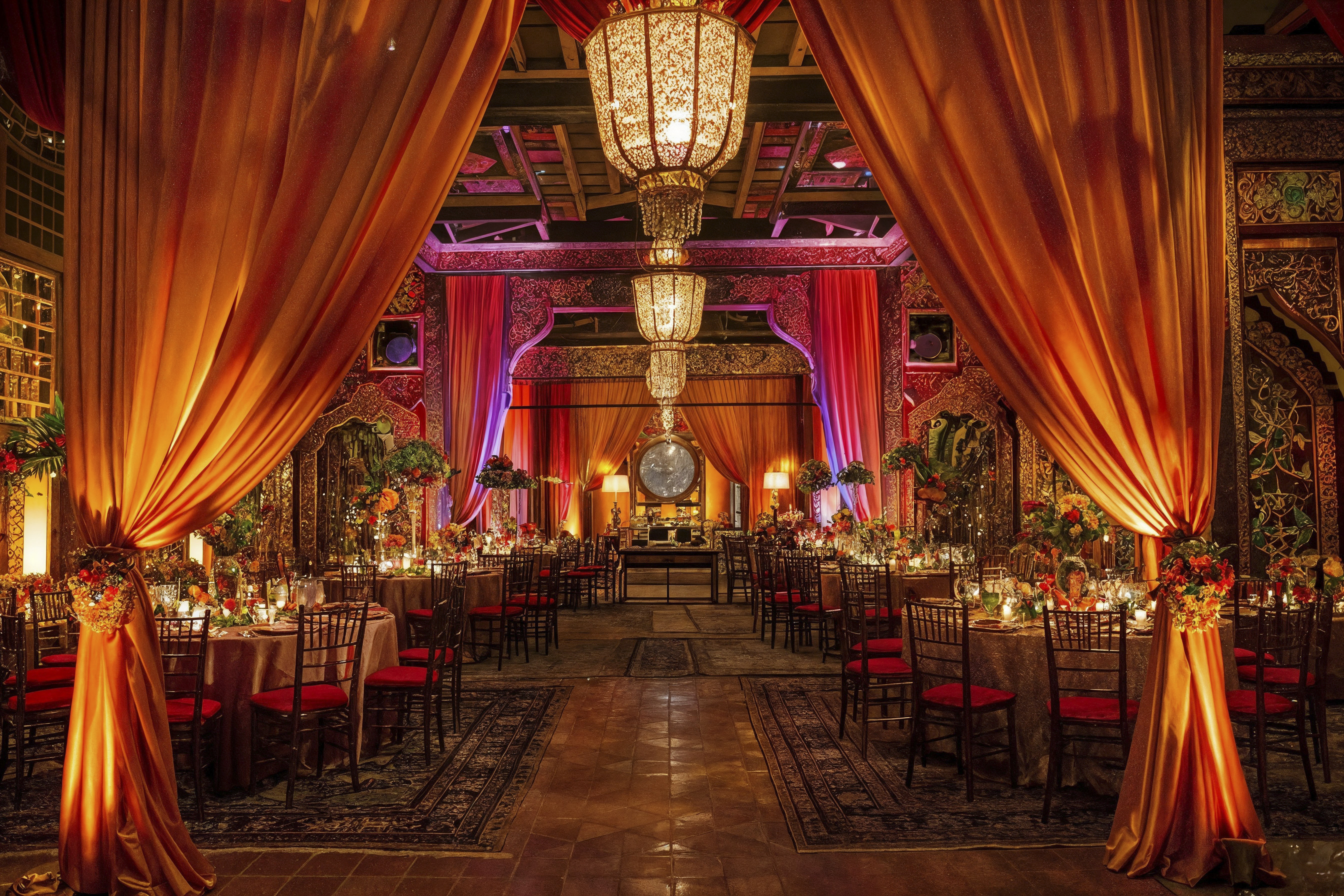
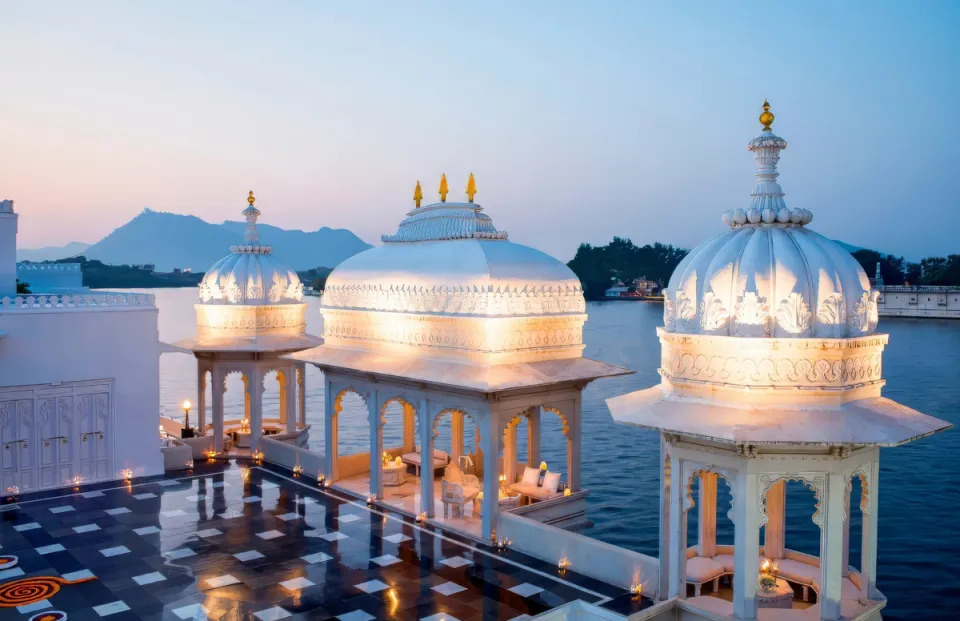
In recent years, Rajasthan has gained a reputation for offering couples who are planning on getting married luxurious destination weddings that include beautiful palatial hotels, fabulous traditions, and excellent service. Now, going into 2026 - 2027, these destination weddings in Rajasthan have changed dramatically as couples have begun planning Eco-Friendly Destination Weddings. Wedding to incorporate royal traditions into the environment. Couples are making this change, not just due to the environment but also because of the growing awareness of the impact of climate change on the future of our planet, changing expectations of travellers, and the hospitality industry’s commitment to sustainability.
Rajasthan, because of its unique desert landscape, historic forts, and heritage hotels, is at the forefront of this movement. The state’s wedding industry has started to implement many sustainable practices, including reducing waste and increasing energy efficiency in the way they run their weddings and when they plan their weddings. All aspects of a wedding, from the décor to food to transportation, have been redefined so they are eco-friendly and still provide a rich cultural experience. Explore our destination wedding locations across Rajasthan and beyond.
Why Eco-Friendly Destination Weddings in Rajasthan Are Rising in 2026–2027?
Environmental awareness and climate concerns
Couples planning weddings have recently become more aware of the negative impact of their events on the environment. There is considerable waste generated by large-scale events like weddings; many items that are used are not able to be recycled or reused - such as plastic, food waste, and decor materials.
Therefore, as one of the most popular places to have a destination wedding, Rajasthan experiences considerable pressure on the environment with the high amount of tourism and the luxury of the weddings there.
Waste reduction urgency
The waste created from destination weddings has become an increasing concern to many people. Many environmentally conscious couples are making an effort to have ceremonies with a minimum amount of waste, as well as to use reusable decorations and to send out digital invitations as opposed to printed invitations.
Carbon Footprint of Destination Weddings
Many guests, vendors, and wedding planners travel to celebrate a destination wedding. The total carbon impact from air travel and shipping products could encourage many couples to look for more environmentally friendly options, like using local suppliers and creating group travel plans.
Luxury Tourism evolving into responsible travel
The trend among many contemporary couples throwing an elegant wedding is to have a fun, unique, beautiful event and a great wedding experience, but to make sure that they celebrate their values by having a beautiful and memorable wedding (or multiple weddings) that are created from a "responsible" perspective.
Demand from international couples
Sustainable weddings in India are attracting couples globally, particularly from Europe and North America. Rajasthan's royal heritage is responding to these couples' needs by creating accommodations that support sustainable weddings.
Heritage venues adopting green practices
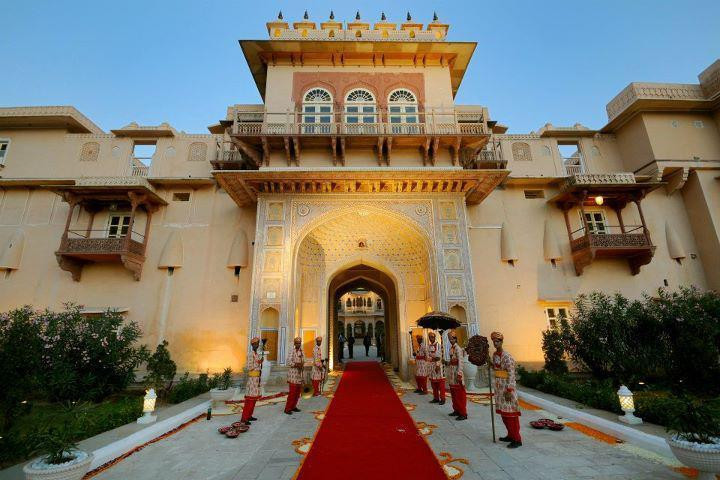
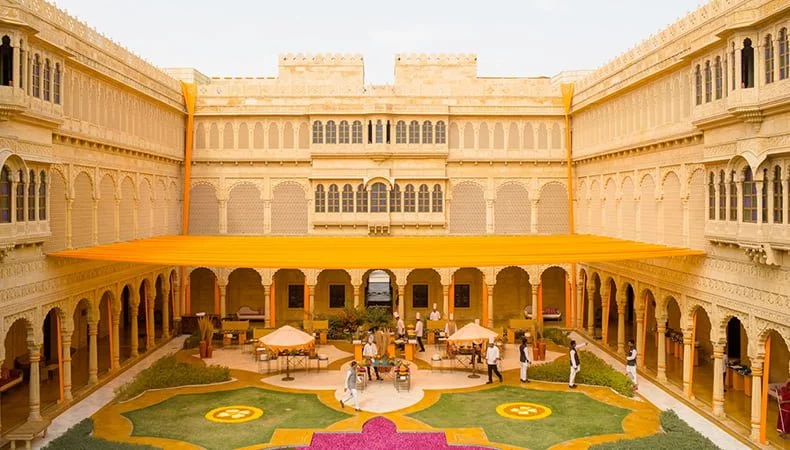
As heritage properties and palaces embrace sustainability initiatives like solar energy systems, water conservation methods, and the use of organic landscaping, they have become great options for hosting “green” weddings.
Rajasthan's Hospitality Industry is Adapting to Sustainability
Hotels and resorts in Rajasthan’s hospitality industry contribute greatly to the development of eco-friendly wedding transitions.
Solar energy and water conservation
Many hotels and resorts are making capital investments in the use of renewable energy, especially from the sun, to decrease their reliance on traditional electricity sources. The use of water recycling systems is also being implemented in drought-prone areas to help preserve this resource.
Reduction of single-use plastics
Many places have policies in place to reduce or eliminate the use of single-use plastics such as plastic bottles, disposable utensils, and synthetic decoration materials. Instead of these products being used, the venues are promoting and encouraging the use of biodegradable and reusable products.
How to Plan Eco-Friendly Destination Weddings in Rajasthan?
To plan a sustainable wedding in Rajasthan, you'll have to make thoughtful choices at every single step of the process, from choosing the location where your ceremony will take place, through to the decor, reception, catering, and entertainment. All aspects of your wedding can support a greener celebration.
Conscious resource usage is one of the most crucial aspects. Couples are encouraged to work with local artisans and to collaborate with food catering companies that focus on organic products andeco-certified vendors, which not only reduces environmental impact but also promotes support for local communities.
One of the other major factors that must be taken into consideration when planning an environmentally-friendly wedding is how your wedding party will arrive at and leave from your wedding site. By providing a shuttle bus or by coordinating group transfers from hotels (where groups could stay), you can significantly reduce the overall carbon footprint from transportation. All three of the major cities in Rajasthan (Jaipur, Udaipur, and Jodhpur) are easily accessible. Therefore, you will have many possibilities for coordinating your group travel logistics.
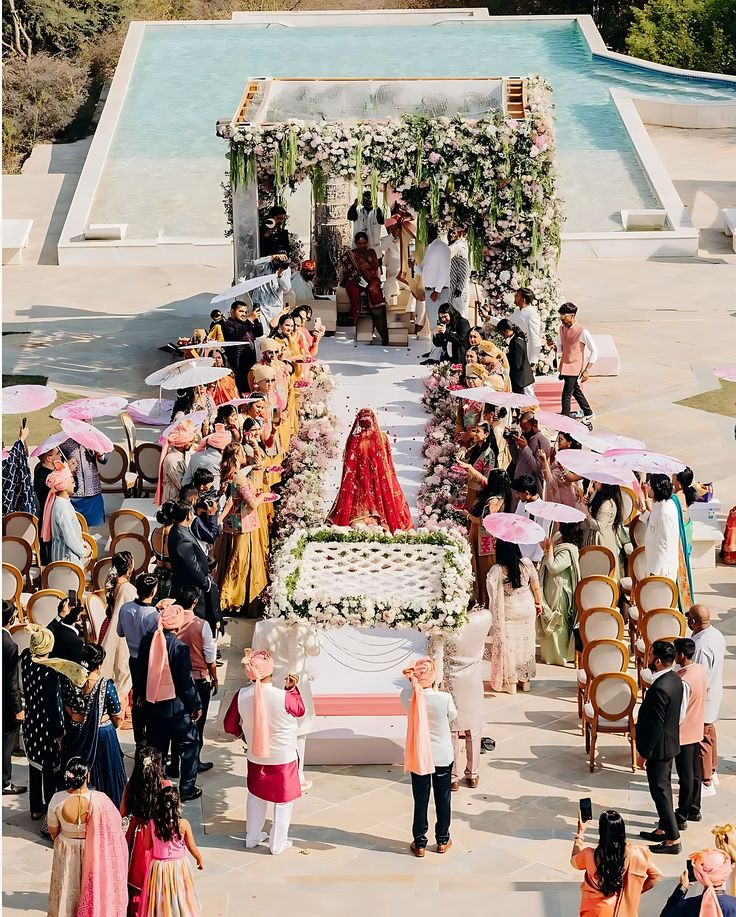
Minimalism has become an increasingly popular wedding theme. Many couples have begun opting for natural elements instead of artificial ones. Many couples now choose a natural aesthetic with inspiration from deserts, flowers, and traditional Rajasthani craftsmanship rather than incorporating artificial elements into their wedding aesthetic.
Couples are concerned about the long-term impact of their wedding and have begun to focus on environmentally conscious weddings. In addition to environmental considerations, many couples plan to include some type of charitable contribution, tree planting, or community support in their wedding celebrations to ensure their wedding leaves a positive impact.
Eco-friendly wedding decorations and sustainable aesthetics
Decor is an integral part of a wedding celebration, and one of the biggest contributors to waste. Eco-friendly wedding decorations are changing the way weddings in Rajasthan use decorative elements.
Natural and biodegradable decoration materials
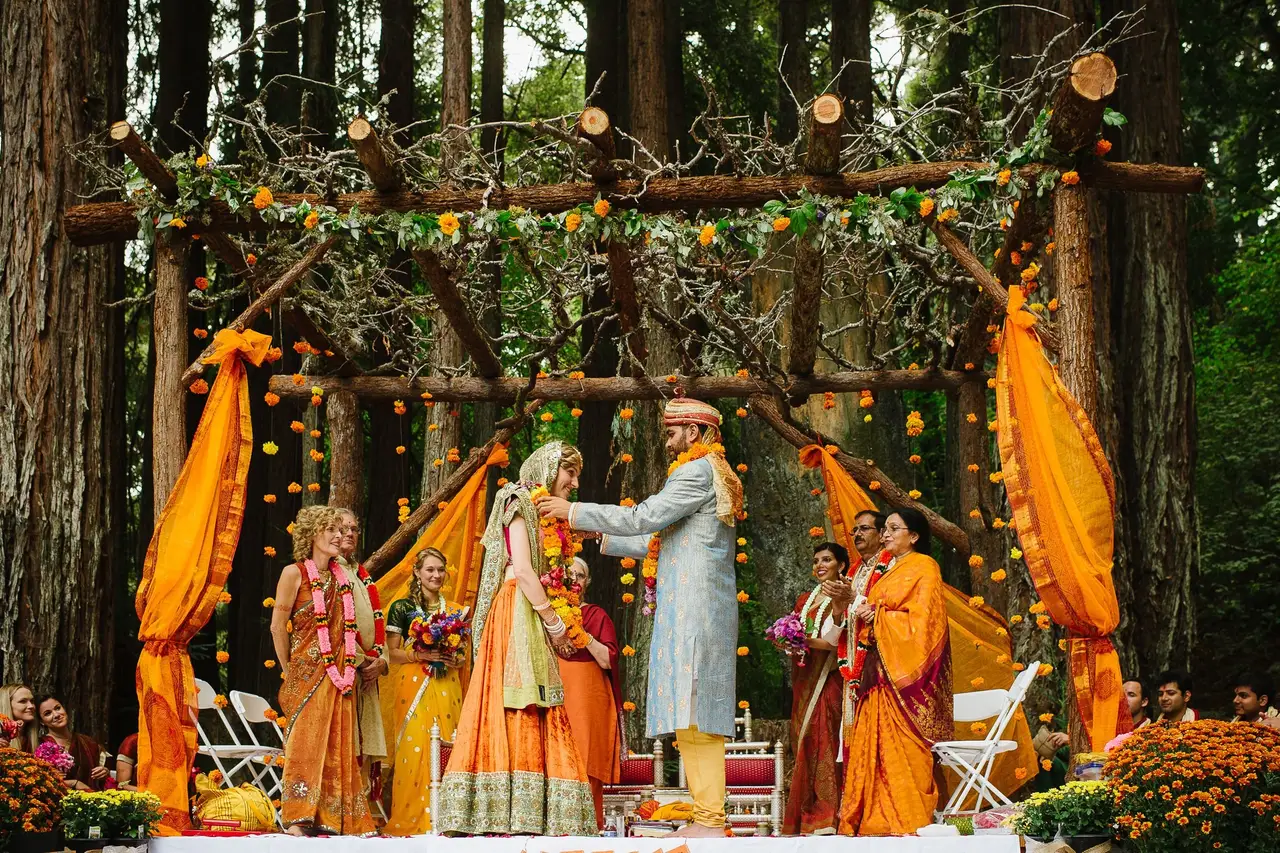
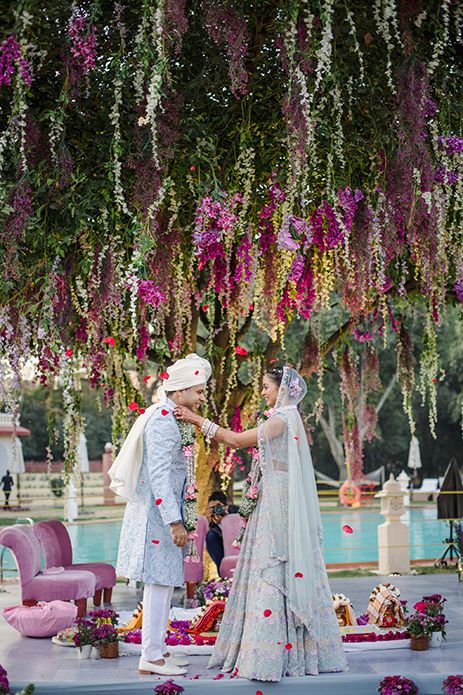
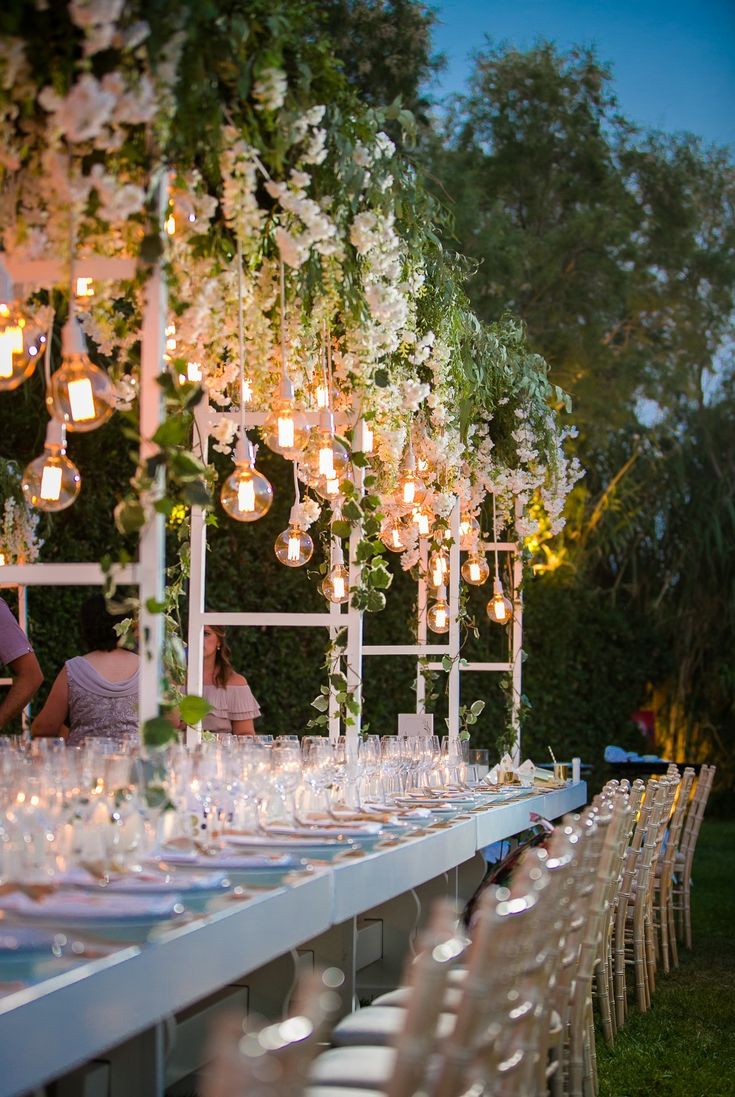
Instead of using plastic and synthetic decoration materials, decorators in Rajasthan are using biodegradable options such as flowers, clay, bamboo, jute, and textiles. Local and seasonal flowers (e.g., marigolds, roses, etc.) have been heavily preferred by nearly all decorators due to their reduced logistical impact from a transportation standpoint and to maintain freshness until the date of the event.
Reusable and rental decoration setups
Rental decoration items that can be reused for multiple events are a growing trend. Examples of this include wooden furniture, traditional rugs, metal lanterns, etc., which are all being reused rather than being thrown away at the end of one event.
Sustainable catering and local food sourcing
The use of local foods and a commitment to sustainability play an important part in the way that wedding catering companies operate. Caterers in Rajasthan are increasingly moving towards using locally grown, organic, and in-season menus for their clients at weddings.
Farm-to-table dining concepts
Caterers are also providing support for local farms through the practice of farm-to-table dining. Many caterers are directly sourcing their food from local farms, which reduces the amount of transportation needed to deliver the food, as well as providing their clients with fresh produce that has not been treated with chemicals.
Reducing food waste
Additionally, many catering companies have developed new buffet-style serving methods in order to reduce the amount of food waste generated during the catering service. For example, many caterers are implementing portion control in the buffet serving line, using live cooking stations, and donating excess food at the end of the event to local charities to help minimize waste.
Eco-conscious guest experience and logistics
The design of a guest's experience has changed to be focused on sustainability. For instance, guests no longer receive paper invitations, but instead receive digital invitations. New technologies like QR Code entry systems are putting an end to traditional forms of entry to an event, as are forms of communication that use paper.
Smart accommodation planning
Space for lodging will often be designed to accommodate guests in clusters to minimize the distance guests must travel for their accommodations.
Encouraging responsible behavior
Hosts are now encouraging their guests to engage in more eco-friendly behaviors, such as asking guests to use reusable water bottles, encouraging the use of eco-friendly gift wrapping, and using as little plastic as possible when wrapping their gifts.
Top Venues to Plan Eco-Friendly Weddings in Rajasthan
Jaipur
- Fairmont Jaipur
- Taj Rambagh Palace Jaipur
- Taj Amer Jaipur
- Jai Mahal Palace, Jaipur
- Taj Devi Ratn Resort & Spa, Jaipur
- Hyatt Regency Jaipur Mansarovar
- Mundota Fort and Palace, Jaipur
- The Leela Palace, Jaipur
- Mementos by ITC Hotels, Jaipur
- Anantara Jewel Bagh Jaipur Hotel
Jodhpur
- Umaid Bhawan Palace, Jodhpur
- Welcomhotel by ITC Hotels, Jodhpur
- Taj Hari Mahal, Jodhpur
Udaipur
- Taj Aravali Resort & Spa, Udaipur
- Mementos by ITC Hotels, Ekaaya Udaipur
- The Ananta, Udaipur
- Aurika, Udaipur – Luxury by Lemon Tree Hotels
- Taj Lalit Bagh Udaipur
- Marriott Udaipur
- Fairmont Udaipur Palace
- Wyndham Grand Udaipur Fatehsagar Lake
- Holymont Udaipur
Pushkar
- The Westin Pushkar Resort & Spa
- Pratap Mahal, Ajmer - IHCL SeleQtions (associated with Pushkar area)
- Ananta Spa & Resort Pushkar
- Pushkara Resort and Spa, Pushkar
Ranthambore
- Nahargarh Palace Hotel, Ranthambore
- Taj Sawai Ranthambore
- Sawai Madhopur Lodge Ranthambore
Jaisalmer
- Suryagarh, Jaisalmer
- Taj Gorbandh Palace, Jaisalmer
Ajabgarh
- Ananta Spa and Resort Ajabgarh
Goa
- W Goa Resort
- ITC Grand Goa, a Luxury Collection Resort & Spa, Goa
Bengaluru (Bangalore)
- JW Marriott Bengaluru Prestige Golfshire
Kochi
- Grand Hyatt Kochi Bolgatty
The Future of Sustainable Weddings in Rajasthan
It is expected that the wedding ceremonies in Rajasthan will include an equal blend of traditions and luxuriousness that is sustainable as weddings become more eco-friendly by 2027, instead of being an anomaly or rare occurrence for couples.
Many couples are now more aware of how their wedding will leave a substantial negative impact on the environment, which is why the wedding industry is implementing creative and innovative techniques to accommodate this growing number of environmentally conscious couples on their wedding day.
Rajasthan is home to a long-standing and distinguished culture from which we can inspire and pioneer new ways to express love through wedding celebrations; this will allow us to embrace the values of the ancient past while being respectful of our environment. Couples wish for weddings that are both aesthetically pleasing and socially responsible by incorporating sustainability into each event element, including decoration, catering, travel, and waste management.
Eco-Friendly Destination Weddings in Rajasthan are not simply an evolution in how we celebrate life's special occasions; they are a growing trend towards recognising that luxury and sustainability can go hand-in-hand to produce unique, ethical, and eco-conscious celebrations. See our list of wedding venues in Jaipur.